

Introduction
The gaming landscape across the Gulf Cooperation Council region is evolving at a breakneck speed. Players and server owners demand low latency, high uptime, and robust hardware to run heavy modpacks. As server administration scales up, finding the right infrastructure becomes crucial for community growth. The Future of Apex Minecraft Hosting: GCC Trends for 2026 points toward advanced localized data centers and smarter resource allocation. Modern server operators need reliable platforms that can handle intense multiplayer traffic without skipping a beat. Whether you are running a small community server or managing a massive network, understanding these regional shifts is vital. Let us dive into what the coming year holds for block-building enthusiasts across the Middle East.
Rising Demand for Low-Latency Gaming in the Middle East
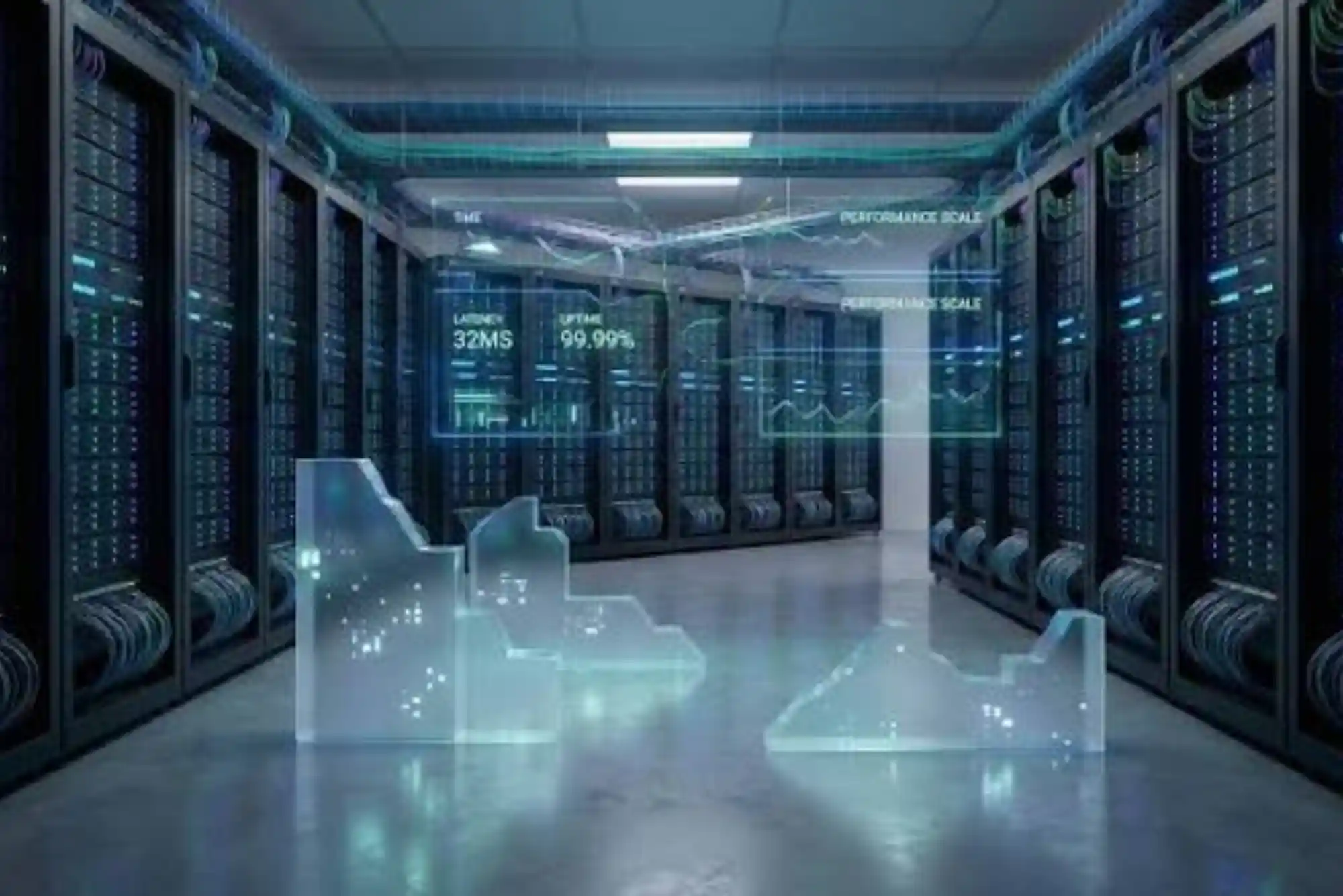
High ping times used to be an accepted frustration for gamers in the UAE, Saudi Arabia, and surrounding countries. Connecting to distant European servers caused severe rubberbanding, block lag, and frustrating dropouts during intense combat. Today, local players expect fluid, real-time responsiveness that matches global competitive standards. The Future of Apex Minecraft Hosting: GCC Trends for 2026 highlights a massive surge in regional node deployments. Hosting providers are actively establishing infrastructure closer to major population hubs in Dubai, Riyadh, and Manama. This physical proximity drastically cuts down packet travel time, resulting in ultra-low latency. Consequently, players enjoy seamless block placement and flawless Redstone mechanics during peak hours. Server owners who adopt these regional setups immediately notice higher player retention and better community engagement.
Hardware Evolution: Powering Heavy Modpacks and Plugins
Minecraft has long outgrown its simple vanilla roots, with modern modpacks requiring immense processing power. Heavy packs featuring hundreds of technical mods demand high single-core CPU clock speeds and ample RAM. The Future of Apex Minecraft Hosting: GCC Trends for 2026 centers on the integration of enterprise-grade hardware like NVMe drives and Ryzen processors. These hardware advancements ensure that auto-farms and complex industrial machinery run smoothly without causing server ticks to drop. Furthermore, automated DDoS protection has become an absolute necessity rather than a luxury for regional administrators. Robust mitigation shields guard community networks against malicious downtime attacks, keeping virtual worlds online 24/7. Upgraded control panels also empower administrators to manage player permissions and schedule automated world backups with a single click.
Expanding Digital Infrastructure Beyond Gaming
The rapid expansion of high-performance server architecture influences far more than just entertainment networks in the region. Growing digital enterprises require equally dependable digital foundations to scale operations and handle customer traffic efficiently. Businesses looking to establish a strong regional web presence often utilize affordable web hosting for GCC businesses to streamline their digital storefronts and marketing funnels. A reliable online framework ensures that local companies can scale their digital operations while maintaining lightning-fast load times for regional consumers. As cloud technology matures, the synergy between gaming infrastructure and commercial web solutions continues to strengthen across the Gulf. This interconnected growth fosters a robust digital ecosystem that benefits developers, gamers, and entrepreneurs alike.
Choosing Reliable Local Hosting Solutions
Selecting the right backend infrastructure dictates whether a multiplayer community thrives or struggles with technical hurdles. Managing custom plugins, world borders, and automated restarts requires a hosting dashboard that is both intuitive and powerful. The Future of Apex Minecraft Hosting: GCC Trends for 2026 emphasizes the shift toward flexible resource scaling and instant setup times. Administrators can now upgrade their RAM and storage allotments instantly as their player base expands during seasonal updates. Additionally, securing reliable local GCC hosting guarantees that server data remains optimized for regional network routes and compliance standards. Localized support teams also provide assistance in timezone-friendly hours, eliminating frustrating delays when critical server errors occur. By prioritizing optimized regional routing, communities can avoid the dreaded lag spikes that typically plague cross-continental connections.
Sustainable Practices and Green Data Centers
Environmental consciousness is rapidly transforming how modern data centers operate across the Middle East and globally. High-performance servers generate massive amounts of heat, requiring energy-intensive cooling systems to maintain optimal operating temperatures. The Future of Apex Minecraft Hosting: GCC Trends for 2026 incorporates advanced liquid cooling and AI-driven energy management inside regional facilities. These eco-friendly innovations reduce carbon footprints while simultaneously maximizing hardware longevity and processing efficiency. Forward-thinking hosting providers invest heavily in renewable energy sources to power their server racks sustainably. For environmentally conscious server owners, partnering with green infrastructure providers aligns community gaming hobbies with broader ecological goals. This sustainable approach proves that high-speed gaming does not have to come at the expense of our planet’s future.

Community-Driven Customization and Modding Trends
The heart of any successful Minecraft server lies in its unique gameplay offerings and dedicated community involvement. Standard survival worlds are increasingly sharing the spotlight with custom minigames, RPG progression systems, and cross-play compatibility. The Future of Apex Minecraft Hosting: GCC Trends for 2026 points toward frictionless integration of Bedrock and Java players on the same network. Server managers demand one-click modpack installers that automatically configure dependencies without manual file manipulation via FTP clients. This ease of use encourages younger creators to launch their own communities without needing advanced technical degrees in systems administration. As tools become more accessible, the variety of creative multiplayer experiences flourishing across the GCC will only continue to multiply.
Conclusion
The horizon for block-based multiplayer gaming in the Middle East looks brighter and faster than ever before. Advancements in localized hardware, reduced latency, and sustainable data center design are setting new benchmarks for virtual communities. Server administrators who stay ahead of these regional shifts will undoubtedly build more resilient, engaging, and popular multiplayer worlds. Now is the ideal time to evaluate your current server setup and transition toward high-performance regional infrastructure. Take action today by exploring optimized hosting plans, upgrading your hardware allocations, and delivering the ultimate lag-free experience your players deserve.
Discover a trusted destination for technology, digital services, and innovative solutions with Dhanote IT Park. The platform offers useful resources for businesses, professionals, and individuals looking to grow in the digital world. Explore the latest opportunities, services, and technology-focused information by visiting Dhanote IT Park today.
Frequently Asked Questions
Why is low latency important for Minecraft hosting in the GCC?
Low latency ensures that player actions, block placements, and combat interactions register instantly on the server without frustrating delays or rubberbanding issues.
What hardware specs are best for modded Minecraft servers?
Modded servers require high single-core CPU performance, fast NVMe storage drives, and a generous allocation of dedicated RAM to handle heavy scripts and custom entities.
How do regional data centers improve server uptime?
Hosting data locally within the GCC minimizes the number of international routing hops, which drastically reduces connection dropouts and stabilizes overall network performance.
Can Java and Bedrock players play together on modern servers?
Yes, modern server software and optimized hosting environments support cross-play plugins that seamlessly unite players across PC, mobile, and console platforms.
Related Reading: Essential Facts About Email Hosting Every Owner Should Know